The Urgent Need for Standards in Pedestal and Raised Flooring Installations
The lack of Standards for raised tile installations is not only costing builders and customers a lot of money, but it is dangerous.
John Gill
10/2/20252 min read
Understanding the Current Landscape of Flooring Installations
In today's construction industry, the installation of pedestal and raised flooring systems has gained significant popularity. However, the lack of established standards for these installations has led to considerable differences in materials and installation techniques, leading to safety risks and increased costs for both builders and customers. Without a uniform set of guidelines, the reliance on various individual practices can result in dangerous situations, potentially compromising the integrity of the flooring systems.
Safety Risks Associated with Lack of Standards
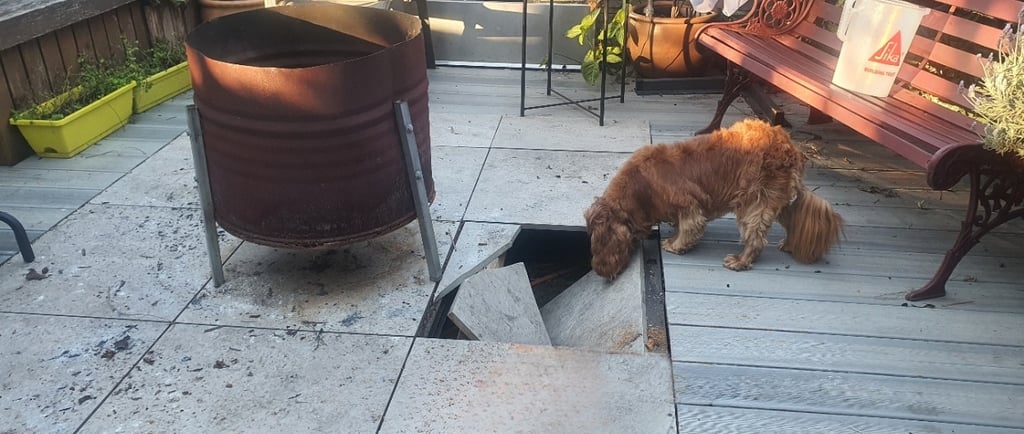
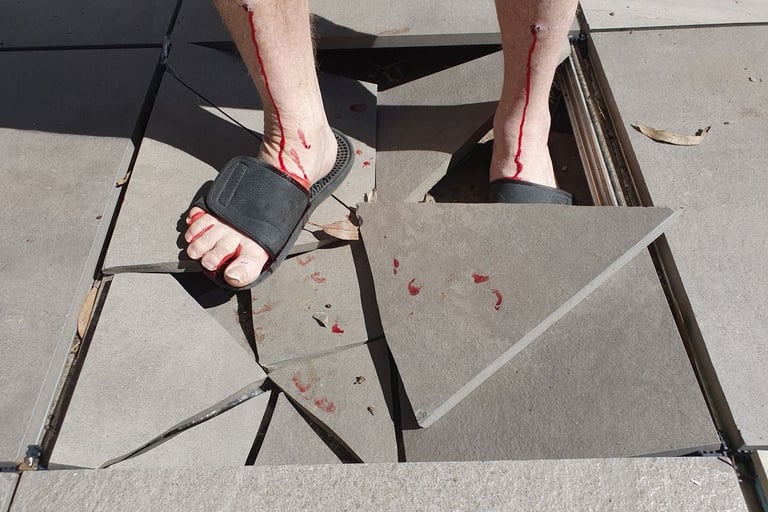
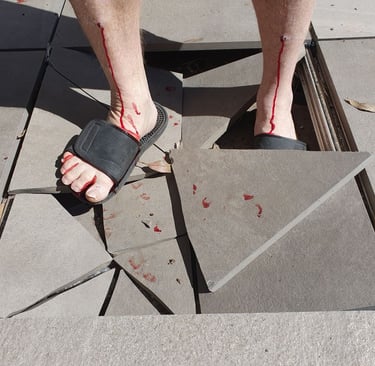
The absence of minimum standards for raised tile installations poses critical safety risks. When installations are executed without a consistent framework, there is a heightened likelihood of structural failures. For instance, improperly installed raised flooring can lead to uneven surfaces, which increases the chances of slips, trips, and falls, ultimately risking the safety of those in the vicinity. Moreover, substandard materials and installations may not effectively support the weight loads they are designed for, leading to potential collapses. Tiles rocking on pedestals, breaking under impact or excessive loads, lifting in high winds are just some of the problems that can cause injury.
Economic Implications for Builders and Customers
In addition to the inherent safety risks, the financial implications of inadequate installation standards are substantial. Builders, faced with the fallout from improperly installed systems, often incur additional expenses related to repairs, replacements, and rectifications. These costs inevitably trickle down to customers, who may find themselves paying much more than they anticipated. Substrate and building damage caused by broken tiles can be considerable, particularly when not discovered. Penetrations in a waterproof membrane can cause problems years later. There are many examples of tile decks / raised floor installations having to be removed and replaced with other materials. I know of one instance where 3000sqm of tiles on pedestals at a school was replaced by a composite deck at a total cost of over $2.5 million because inferior tiles had been used. Consequently, the construction sector urgently requires established minimum standards for raised tile installations to reduce these economic burdens, fostering a more sustainable and reliable building practice.
Overall, the need for comprehensive and enforceable standards for pedestal and raised flooring installations cannot be overstated. Addressing these pressing concerns not only enhances safety but also saves costs for builders and customers alike. As stakeholders in the construction industry, it is essential to advocate for the development and implementation of rigorous guidelines to ensure the quality and safety of flooring systems in future projects.
Have a look at my blog on a proposal for new standards.
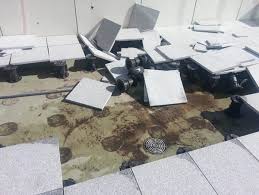
Tiles lifted by high wind
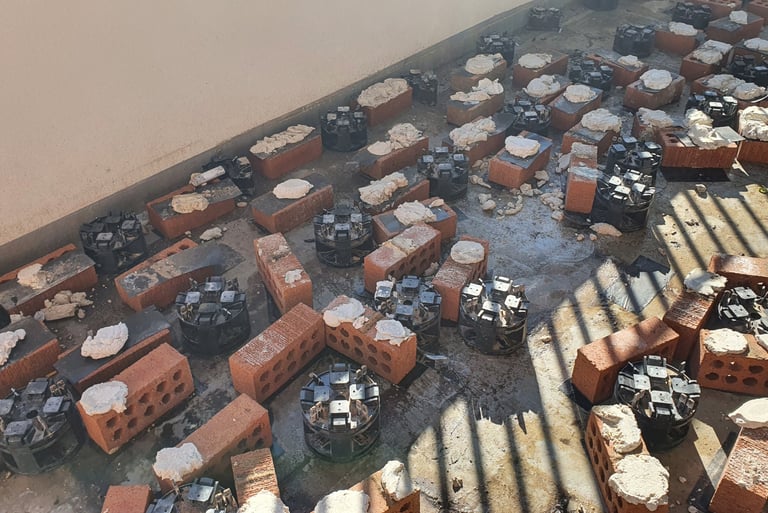
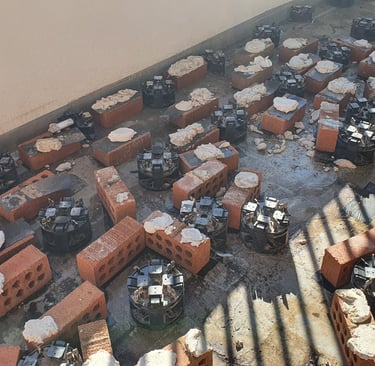
Bricks used for additional support
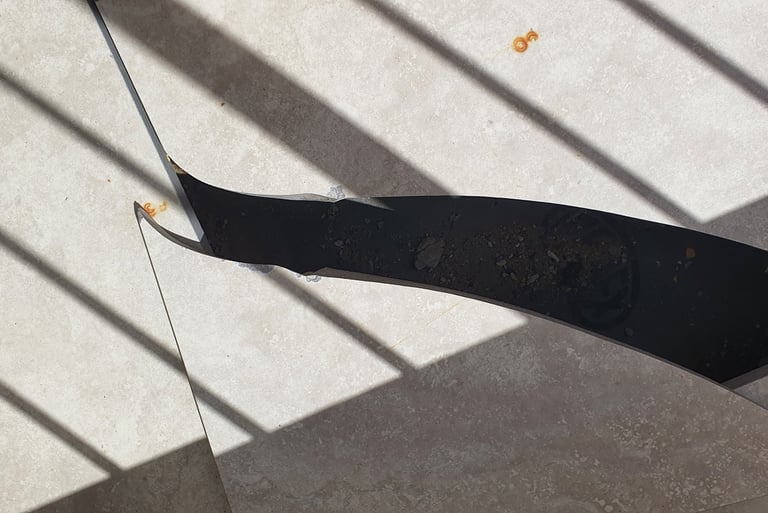
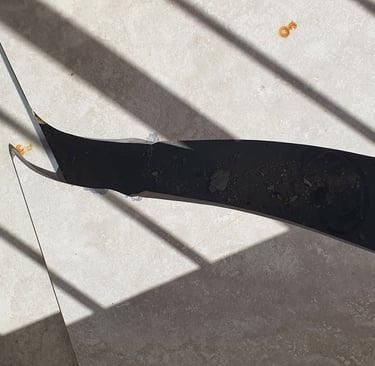
Tiles shattered by impact
Sales and Showroom
Clever Building Products
64 Nuwarra road,
Moorebank, NSW, 2170
0425 288 812
info@safepave.com.au
By Appointment only