Proposals for New Standards in Pedestal Tiles: Enhancing Durability, and Safety
Purpose: Establish benchmark test methods and performance criteria to improve safety and durability of pedestal-mounted and raised-access tile systems used on podiums, rooftops, and balconies.
John Gill
10/16/20252 min read
1. Scope
This proposal defines testing and classification methods for pedestal or raised tile systems to ensure:
• Resistance to fracture, impact and breakthrough;
• Stability and robustness under concentrated and uniform loads;
• Resistance to wind uplift and environmental aging;
• Safe walkability following accidental cracking;
• Compatibility with waterproofing membranes and pedestal supports.
2. Reference Standards
Category Key References
Tile mechanical strength ISO 10545-4 / AS 4459.4 – Breaking strength and modulus of rupture
Tile impact resistance ISO 10545-5 – Coefficient of restitution (modified for full-tile testing)
Raised access flooring EN 12825:2001 / CISCA Rolling & Uniform Load Tests
Adhesive durability ASTM D3330 – Peel adhesion (for bonded reinforcement layers)
Wind uplift ASTM E330 or EN 1991-1-4 (wind action) adapted for tile systems
Test Type Description / Method Summary Purpose Typical Acceptance Criteria
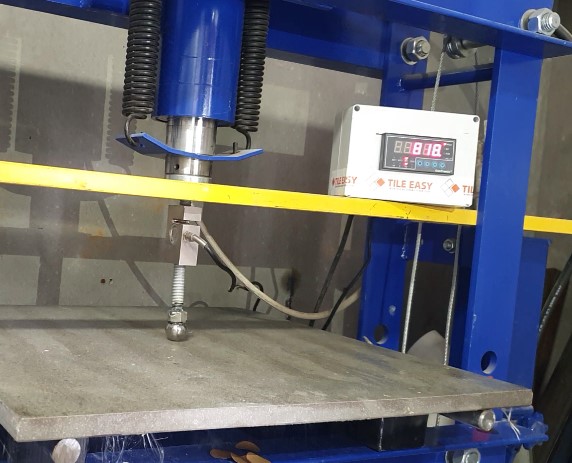
Point-Load / Static Load Full-size tile on pedestals; 50 mm Verify load capacity and No cracking or breakthrough at 1.8 kN
hemispherical indenter at centre deflection limits. deflection ≤ L/200
and quarter-points.
Residual-Load After Crack induced then reloaded to design load Show walk-on safety ≥ 1.8 kN no breakthrough;
Breakage . after fracture. ultimate ≥ 2.7 kN
Uniform Load Distributed plate load test. Measure stiffness and permanent set. Residual set ≤ 0.5 mm after 24 h.
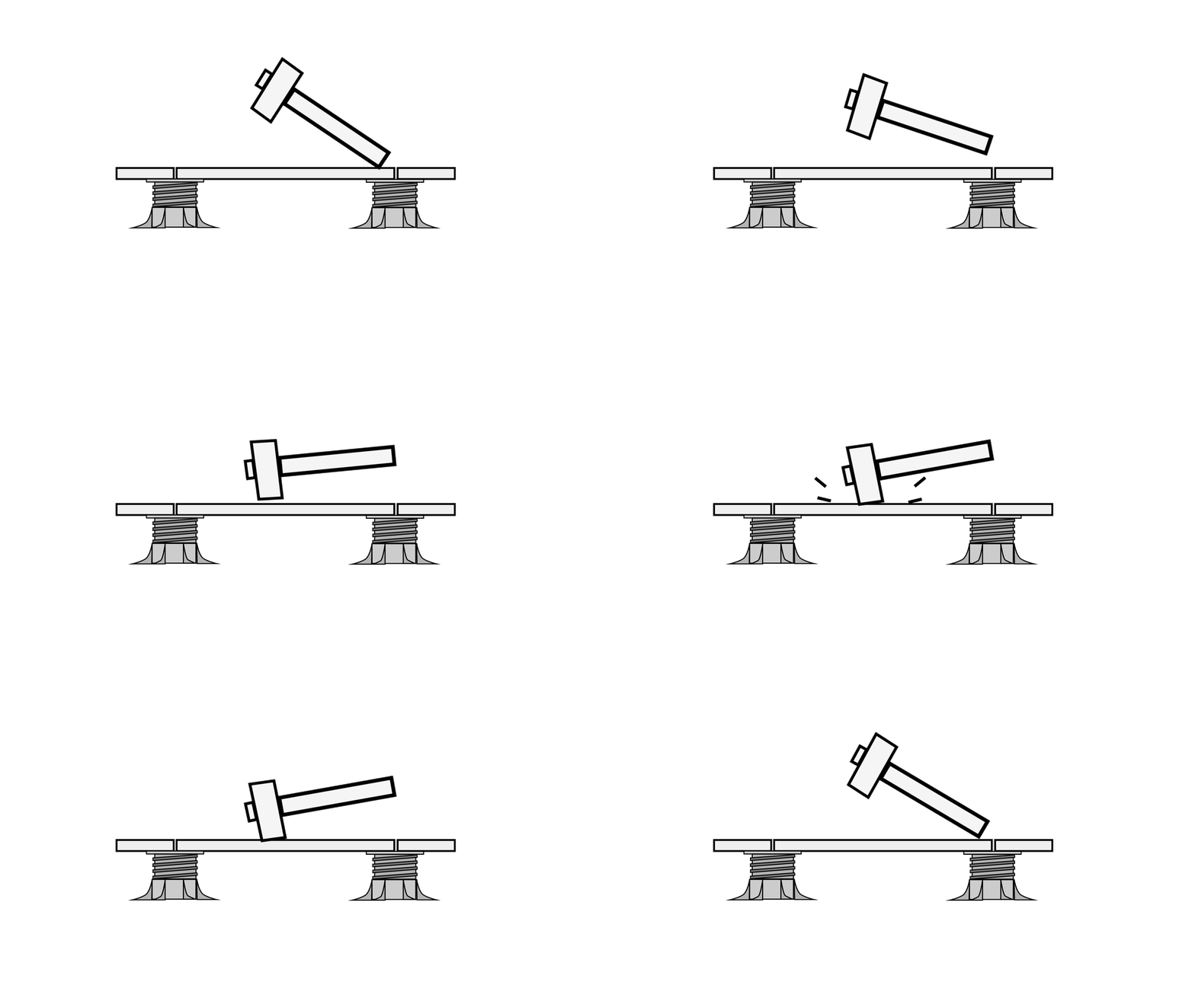
Hard-Body Impact 4.5 kg, 50 mm hemisphere drop from 600 mm. Simulate tool drop. No penetration; cracks retained.
Soft-Body Impact 5 kg leather bag from 1.0 m. Test global stability. No rocking, displacement ≤ 1 mm.
Repeated Impact 20 drops at 300 mm height. Assess fatigue resistance. No breakthrough; <10% stiffness loss.
Flexural Strength ISO 10545-4 / AS 4459.4 Establish baseline strength. Report MPa; used for grading.
three-point bending.
Impact Damage Diameter ASTM C1870 (50.8 mm ball). Measure damage zone. ≤ 80% of untreated control.
Pedestal Rocking / Slip Lateral load test on assembly. Check pedestal friction. No rocking <2 mm lateral deflection.
Dead-Load / Creep Sustained 1.8 kN load for 7 days. Check long-term stability. ≤ 1 mm additional deflection.
Thermal / Moisture Cycling −20 to +70 °C wet/dry cycles. Check durability. ≥ 90% retention of properties.
Wind-Uplift Resistance Negative pressure or uplift rig. Check tile restraint. No uplift at design wind pressure.
Membrane Wear Cyclic micro-slip under load. Check membrane protection. No visible wear after 100k cycles.
3. Required Tests
The Table below outlines recommended tests, objectives and minimum acceptance criteria
4. Classification & Grading
Strength/impact grading with support tables (standards-ready)
What: Convert the above results into a grade (High/Medium/Low) linked to allowable support layouts (corner-only, with mid-span rail, centre pedestal).
Why: Implements the recommendation to rate tiles by strength + impact + support requirements,
Grade Minimum Modulus of Rupture Minimum Impact Energy Recommended support layout
(No Breakthrough)
High ≥ 25 MPa ≥ 12 J Corner pedestals only
Medium ≥ 15 MPa ≥ 8 J corner + centre support / rigid board
Low ≥ 10 MPa ≥ 5 J edge + centre support/rigid board
5. Installation Performance Criteria
• Max tile lippage: ≤ 1 mm
• Max slope: 1 in 80 (1.25%) before substructure required
• Pedestal spacing tolerance: ± 2 mm
• Installer accreditation required
• Edge restraint: perimeter tiles restrained to structure
• Wind uplift restraint mandatory for balconies and rooftops
6. Reporting Requirements
Each test report must include apparatus description, calibration data, specimen details, load–deflection curves, failure modes, and compliance statements.
7. Rationale
The test suite directly addresses pedestal-tile risks such as rocking, membrane wear, cracking, and wind uplift. It replaces outdated thickness-based assumptions with performance-based metrics, enabling innovation and future material improvements.
Sales and Showroom
Clever Building Products
64 Nuwarra road,
Moorebank, NSW, 2170
0425 288 812
info@safepave.com.au
By Appointment only